Early Christianity in the Rhodope
Early Christianity in the Rhodope
On 19 December, just days before Christmas, the Credo Bonum Foundation is opening its third exhibition in the series that seeks to tell about the spirit’s paths to perfection, the paths that were once blazed across the sacred lands of Bulgaria. After recounting about the knowledge of ancient civilisations and the teaching of Orpheus, Christianity in the Bulgarian lands is the next embodiment of the deep spiritual connection with earlier traditions and the resistance the new faith faced. This is a connection in which written communication with the divine is evidence of thousands of years of civilised existence.
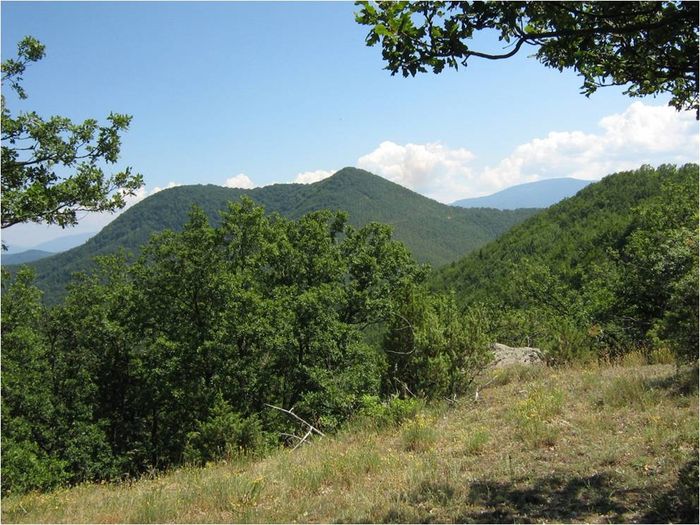
The Rhodope is the mountain that has preserved in its bosom the brightest evidence of this spiritual trail. It is visibly punctured but remains secretly eternal. Upon the domineering peaks that host Thracian shrines, basilicas were built – the temples of the new faith. In the visible and secret rites, in matter and traditions, the universality was kept of man’s connection with the cosmos, the connection of one who believes and strives towards immortality of the soul.
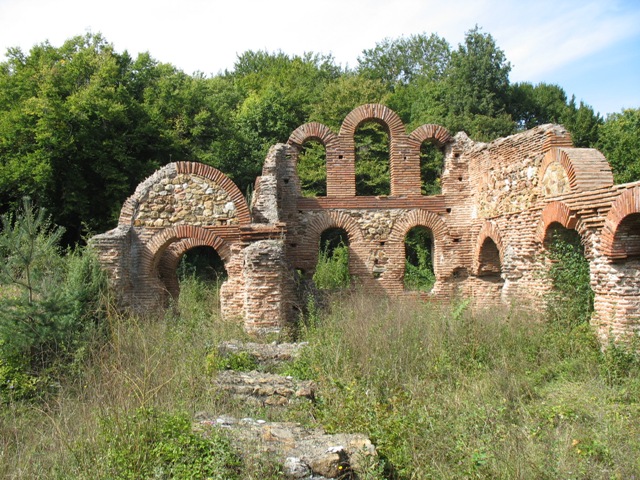
The Rhodope basilicas are majestic signs of the new, Christian faith, which is ours also today. They are most numerous where this faith faced the hardest challenges – in the lands of the Bessi, where the spirit reigns indomitable.
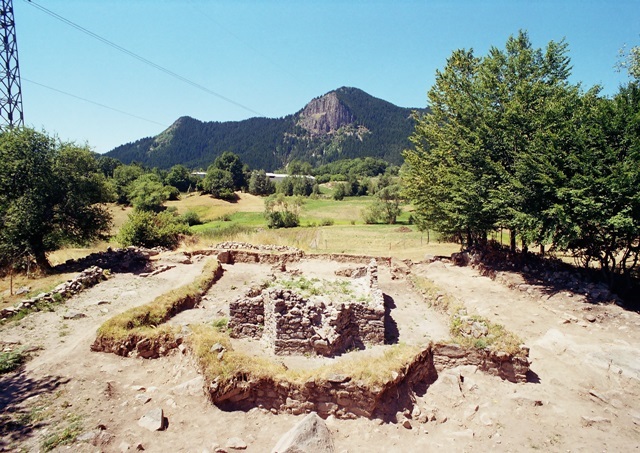
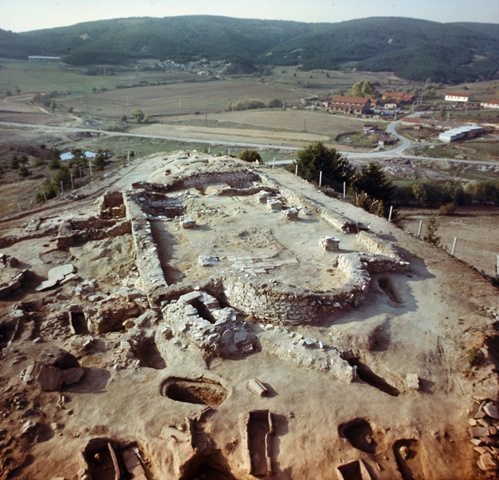
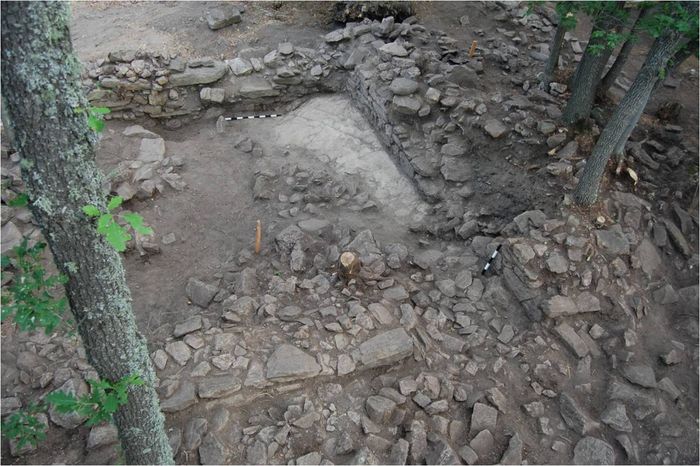
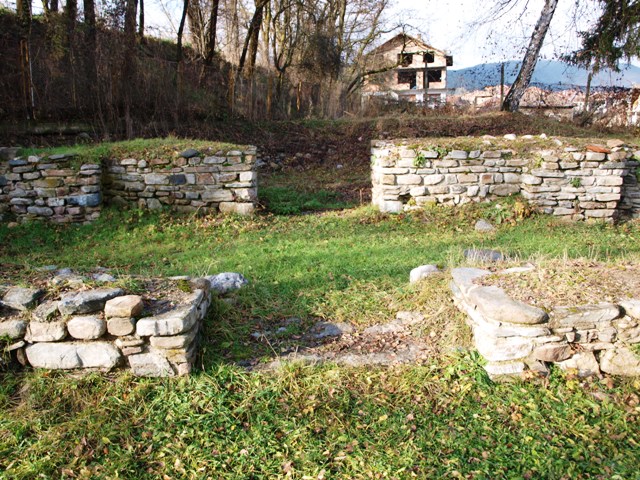
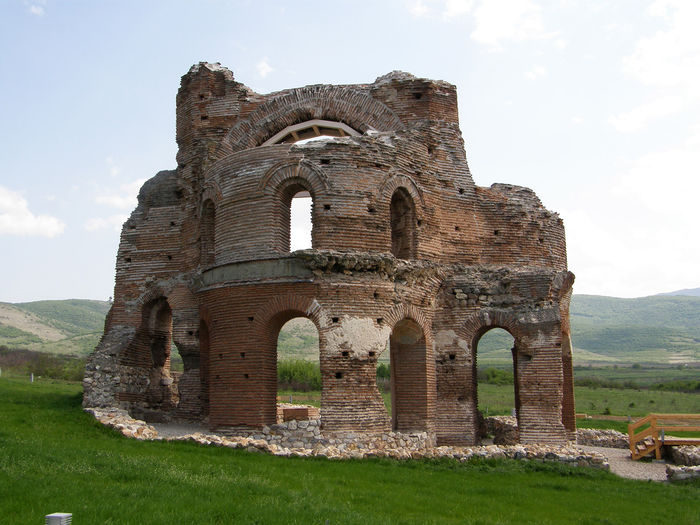
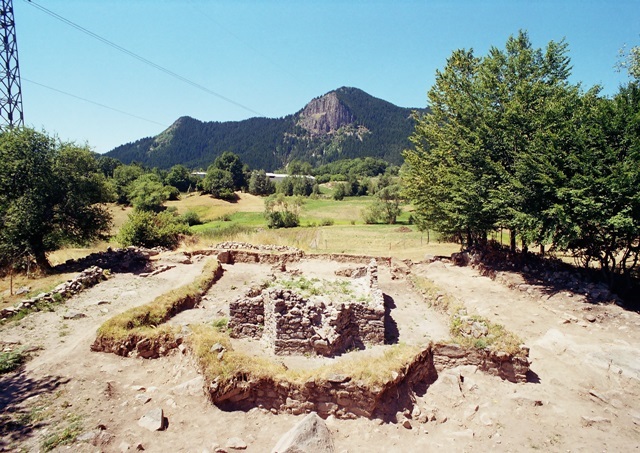
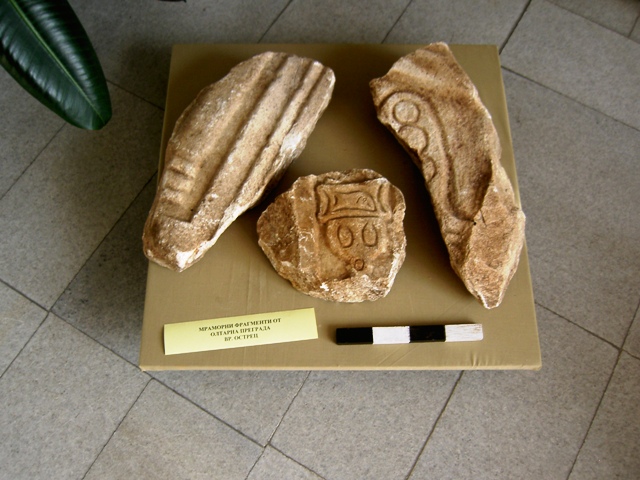
The exhibition tells the story of the mission of Necetas of Remesiana to convert the Bessi to Christianity. It then recounts about the translation, known as Biblia Bessica, of the Holy Book into Bessic language, and follows the Bessic influence in the Mediterranean world. One of the accents is the continuity between the old, Orphic beliefs and the new Christian religion. That is why we give information about that and also present some of the most momentous temples built near the sacred sites of the cult to Dionysus – the Belovo Basilica, the Red Church at Perushtitsa, the Nikolitsa Basilica at Rakitovo, the Barutn Basilica, and the monastery complex near Smolyan.
Exploring instances of religious syncretism, we refer to a phenomenon in the Rhodope known as crypto-Christianity, which was practised by the population who converted to Islam in the late Middle Ages.
But is it that we do today to preserve these symbols of the rebellious and independent spirit, which has for millennia withstood the time’s blows? Will we let inertia and paralysis to destroy them?
We hope that this exhibition will prompt reconsiderations. Where are we heading to?